
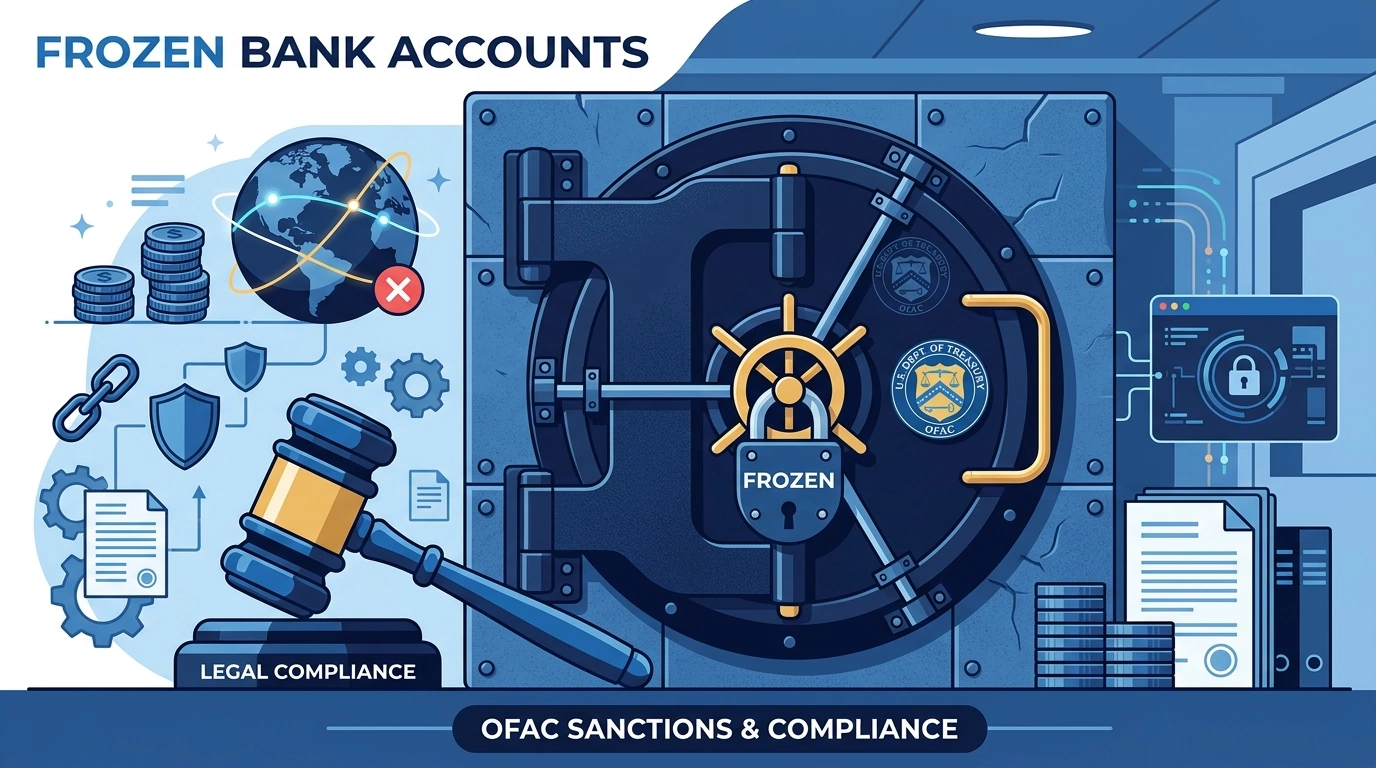
Understanding Asset Freeze and Frozen Funds: Implications and Recovery
An asset freeze is a legal mechanism that restricts an individual or entity from accessing or disposing of their assets, which may include cash, investments, real estate, and other financial resources. The asset freeze is often a critical aspect in legal proceedings, especially in cases related to fraud, bankruptcy, or other financial disputes. For individuals or businesses facing asset freezes, understanding the nuances of this concept is crucial, especially when it comes to recovering frozen funds. This article aims to delve deeply into the implications of asset freezing, the legal frameworks involved, and the potential avenues for recovery. If you are seeking guidance, consider reaching out to professionals who specialize in Asset Freeze & Frozen Funds Recovery.

What is an Asset Freeze?
An asset freeze is essentially a judicial action, wherein a court orders to prevent a person or entity from selling, transferring, or otherwise dealing with their assets. This can be initiated in various scenarios, such as during a criminal investigation, in civil lawsuits, or as a preventative measure to secure debts owed. The primary legal rationale behind an asset freeze is to protect creditors’ rights and to ensure that a

ssets remain available to satisfy any potential judgments or claims. Failure to comply with an asset freeze can result in severe legal penalties including contempt of court charges.
Why are Assets Frozen?
Assets can be frozen for a multitude of reasons, often related to legal or financial disputes. Some common scenarios include:
- Fraud Allegations: If there are allegations of fraud, courts may decide to freeze the accused’s assets to prevent them from dissipating before a judgment is reached.
- Bankruptcy Proceedings: During bankruptcy proceedings, an automatic stay is typically ordered, freezing the debtor’s assets to facilitate a fair and orderly repayment process.
- Civil Litigation: In civil suits, particularly those involving large sums of money, a plaintiff may request an asset freeze to ensure that the defendant cannot dispose of assets that might be used to settle a judgment.
- Regulatory Actions: Regulatory bodies may impose asset freezes on individuals or companies during investigations into practices that may violate laws or regulations.
Implications of Asset Freezing
The implications of an asset freeze are significant and can have wide-ranging effects on an individual or a business’s operations. Here are several consequences that can arise:
- Financial Disruption: A frozen asset means an individual or entity cannot access essential funds for day-to-day operations, including paying employees, vendors, or other obligations. This can lead to significant financial stress.
- Reputational Damage: Being subject to an asset freeze can tarnish an individual or entity’s reputation, especially if allegations of wrongdoing are publicized. This may deter potential clients or partners from engaging.
- Legal Costs: Navigating an asset freeze and the accompanying legal proceedings can incur substantial legal fees and associated costs, further complicating financial strain.
- Limited Control: The frozen assets may include vital business resources, limiting decision-making power and operational flexibility.
Legal Frameworks Surrounding Asset Freezing
Asset freezing procedures can vary widely based on jurisdiction and the specifics of the case. In general, the process involves the following steps:
- Application for Freezing Order: A party seeking to freeze assets must file an application with the appropriate court, demonstrating reasons for the request along with sufficient evidence.
- Court Hearing: A court hearing is typically scheduled where both parties can present their arguments. The court assesses the validity of the submitted claims and decides accordingly.
- Issuing a Freezing Order: If the court finds in favor of the applicant, a freezing order is issued. This order will outline which assets are frozen and the duration of the freeze.
- Enforcement: The enforcement of an asset freeze may require coordination with law enforcement or financial institutions to ensure compliance with the order.
Recovery of Frozen Funds
Recovering frozen funds is often complex and may require legal interventions. Here are some potential pathways:
- Challenging the Freezing Order: Individuals or entities can challenge the asset freeze in court by providing evidence that the freezing order is unjust or unwarranted.
- Negotiating Settlements: In some cases, negotiating a settlement with the opposing party can lead to the release of the frozen assets ahead of a court decision.
- Demonstrating Need: In specific scenarios, individuals may petition the court for limited access to frozen funds to cover essential living or business expenses.
- Legal Representation: Consulting with an attorney who specializes in asset recovery can provide strategic guidance and assist in navigating complex legal landscapes.
Conclusion
Understanding the intricacies of asset freezes and frozen funds is crucial for anyone facing legal or financial disputes. The implications can be far-reaching, affecting not only an individual’s or entity’s financial health but also their overall reputation and future prospects. Engaging with experienced legal professionals who can provide guidance and assistance in Asset Freeze & Frozen Funds Recovery is often a critical step towards navigating these challenges effectively. With proper advocacy and legal support, it is possible to mitigate the adverse effects of asset freezes and pursue avenues for recovery, allowing individuals and businesses to regain control over their financial futures.