
The Office of Foreign Assets Control (OFAC) is a part of the U.S. Department of the Treasury, tasked with enforcing economic and trade sanctions against targeted foreign countries and regimes, terrorists, international narcotics traffickers, and other threats to national security, foreign policy, or economy. One crucial aspect of OFAC’s regulatory framework is the Specially Designated Nationals (SDN) List, which includes individuals, entities, and vessels whose assets are blocked and with whom U.S. persons are generally prohibited from engaging in transactions. Understanding OFAC Delisting (SDN List Removal) OFAC Delisting (SDN List Removal) is vital for those who may find themselves unfairly included on this list or those wishing to ensure compliance with the regulations.
What is the SDN List?
The SDN List includes individuals and entities that have been designated under various sanctions programs administered by OFAC. The designations are often based on activities that threaten U.S. national security or foreign policy interests. Being listed means that U.S. persons cannot engage in any transactions with those named on the list, and any U.S. assets they hold are blocked.
Reasons for Inclusion on the SDN List
There are various reasons why individuals or entities may be placed on the SDN List, including:
- Involvement in terrorism or terrorist activities.
- Connections to narcotics trafficking.
- Engagement in activities undermining democratic processes.
- Support for regimes involved in human rights abuses.
The Impact of Being Listed
Inclusion on the SDN List can have severe implications. For individuals, it can hinder basic financial transactions, impede travel, and damage one’s reputation. For businesses, it limits trade opportunities, disrupts supply chains, and can result in substantial losses. Consequently, delisting becomes a matter of significant interest for those affected.
The Delisting Process
Delisting from the SDN List is not a straightforward process and involves several steps:
1. Review the Basis for Designation
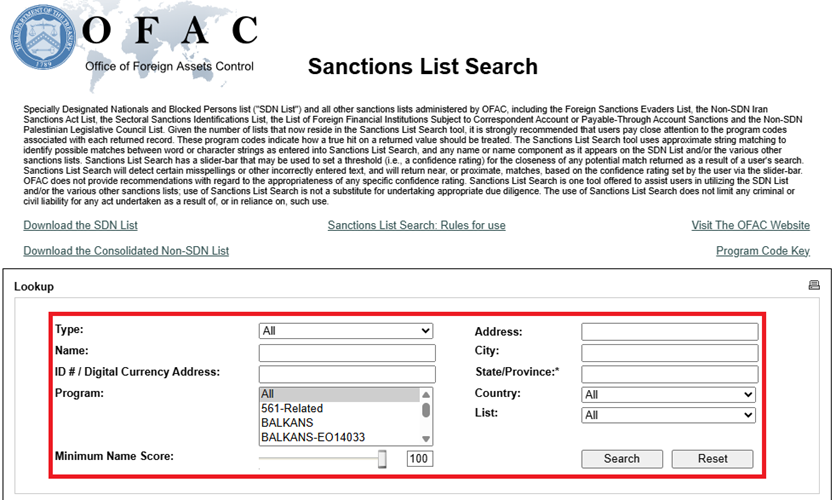
The first step is to understand why the individual or entity was placed on the SDN List. This information is critical for mounting a successful case for delisting.
2. Gather Evidence
Once the basis for the designation is understood, the next step involves gathering evidence that supports the removal request. This may include documentation that demonstrates a change in circumstances, such as compliance with U.S. laws or the cessation of the activities that led to the designation.
3. Submit a Delisting Request
A formal request for delisting must be submitted to OFAC. This request typically includes a cover letter detailing the basis for removal, supporting documents, and any relevant evidence that counters the original reasons for designation.
4. Wait for a Decision
After submitting the request, applicants will need to wait for OFAC to process the request and conduct its review. This timeframe can vary depending on the complexity of the case and the volume of requests being handled by OFAC.
5. Respond to Additional Inquiries
OFAC may reach out for additional information or clarification during the review process. Responding promptly and thoroughly can be crucial for the outcome of the case.
The Role of Legal Assistance
Given the complexities involved in the delisting process, many individuals and entities choose to seek legal assistance. An attorney experienced in OFAC regulations can provide valuable guidance throughout the process, helping to navigate legal requirements and enhancing the chances of a successful outcome.
Case Studies of Successful Delisting
Several cases highlight the potential for successful delisting. In one notable instance, a small business was able to demonstrate that it had not engaged in any of the activities that led to its inclusion on the SDN List. By providing compelling evidence and engaging with OFAC through legal representation, the business successfully removed itself from the list.
Challenges in the Delisting Process
While success stories exist, there are challenges that individuals and businesses may encounter:
- Insufficient evidence to support a delisting request.
- Lengthy waiting periods for decisions.
- Complex legal and regulatory landscape that requires specialized knowledge.
Conclusion
The OFAC Delisting (SDN List Removal) process is a crucial avenue for those affected by sanctions to regain their status and mitigate the impacts of being on the list. Understanding the reasons for inclusion and effectively navigating the delisting process, often with the aid of experienced legal counsel, can help individuals and businesses move past barriers posed by these sanctions. As global dynamics continue to evolve, staying informed about OFAC regulations and processes will remain essential for compliance and safeguarding one’s interests.